Aluminum Foil Liners: How High-Barrier Inner Layers Deliver Secondary Protection for Material Transportation
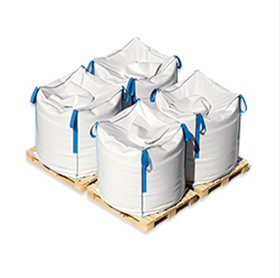
In container shipping and FIBC packaging, the outer woven structure mainly provides load-bearing and puncture resistance. For materials sensitive to humidity and oxygen, reliable barrier protection relies on the inner layer — and aluminum foil liners serve as the core component for this purpose. Centered on liner products, Xingchen Group has established a complete process chain from material lamination to sealing inspection, offering secondary protection solutions for material transportation in the chemical, new energy and other industries.
I. Functional Positioning of Liners
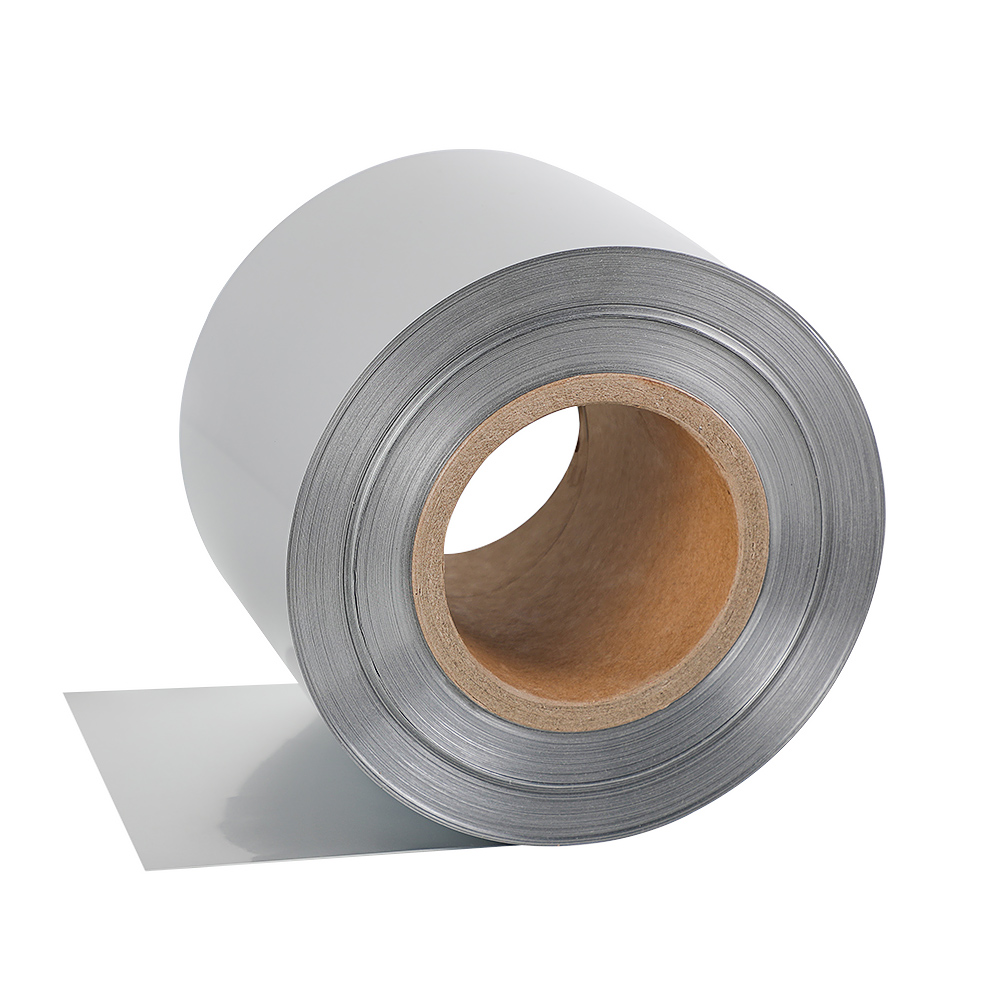
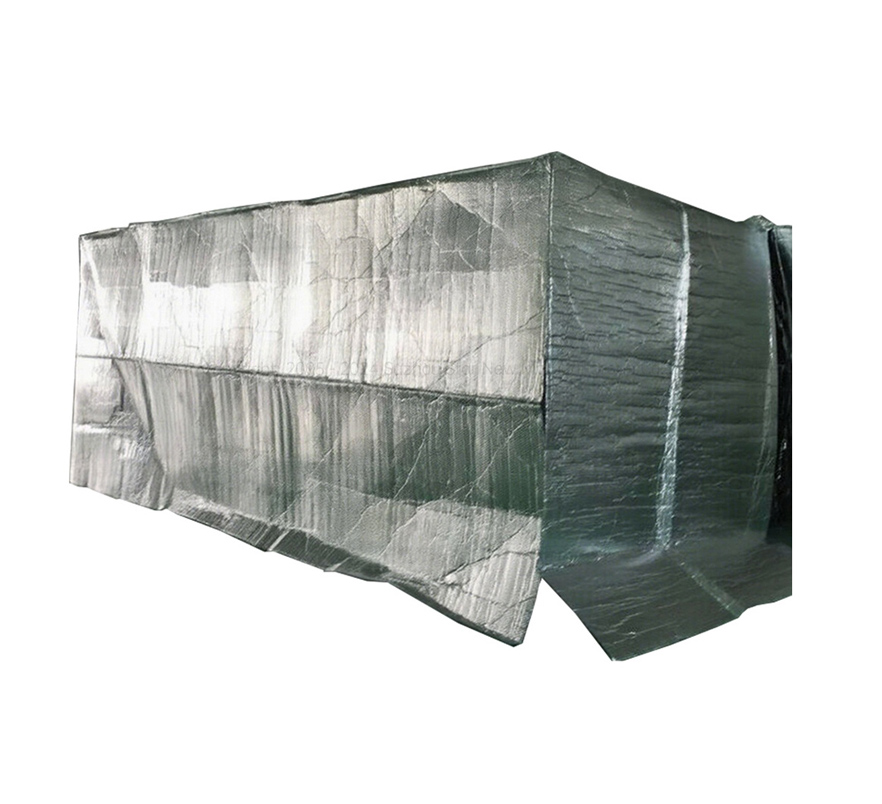
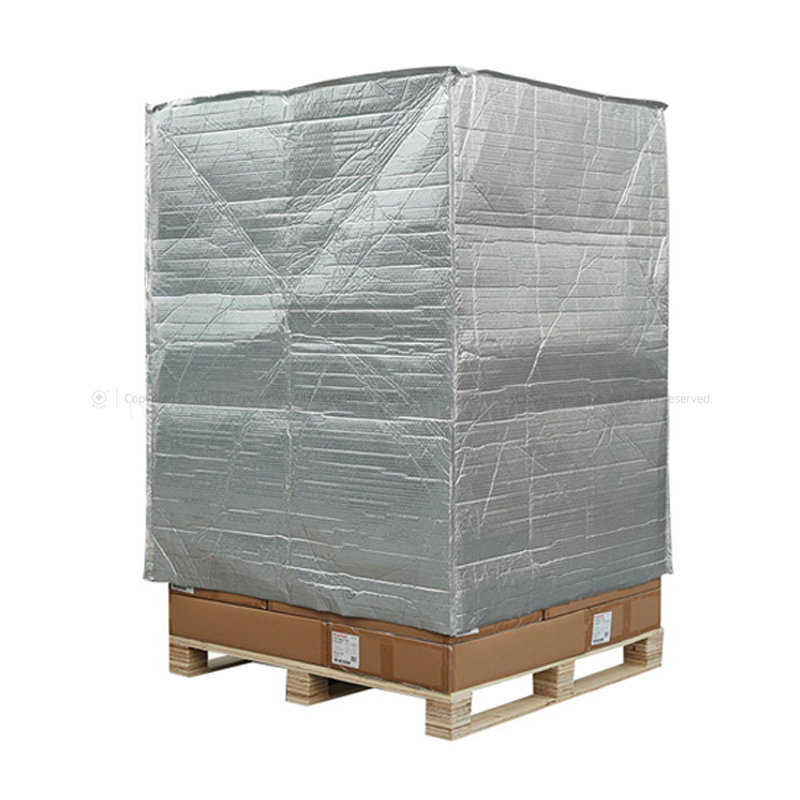
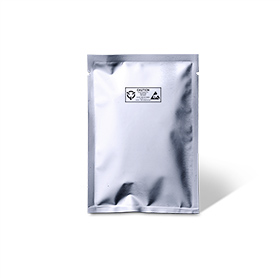
The core advantage of aluminum foil liners lies in barrier performance. The aluminum foil layer effectively blocks air, water vapor and light to prevent oxidation, moisture absorption and deterioration of packaged materials. For materials shipped across long distances or via sea freight, external temperature and humidity fluctuations can alter the microenvironment inside packages. The aluminum foil composite structure helps maintain a relatively stable internal condition throughout transit.
II. Implementation of Multi-Layer Composite Structure
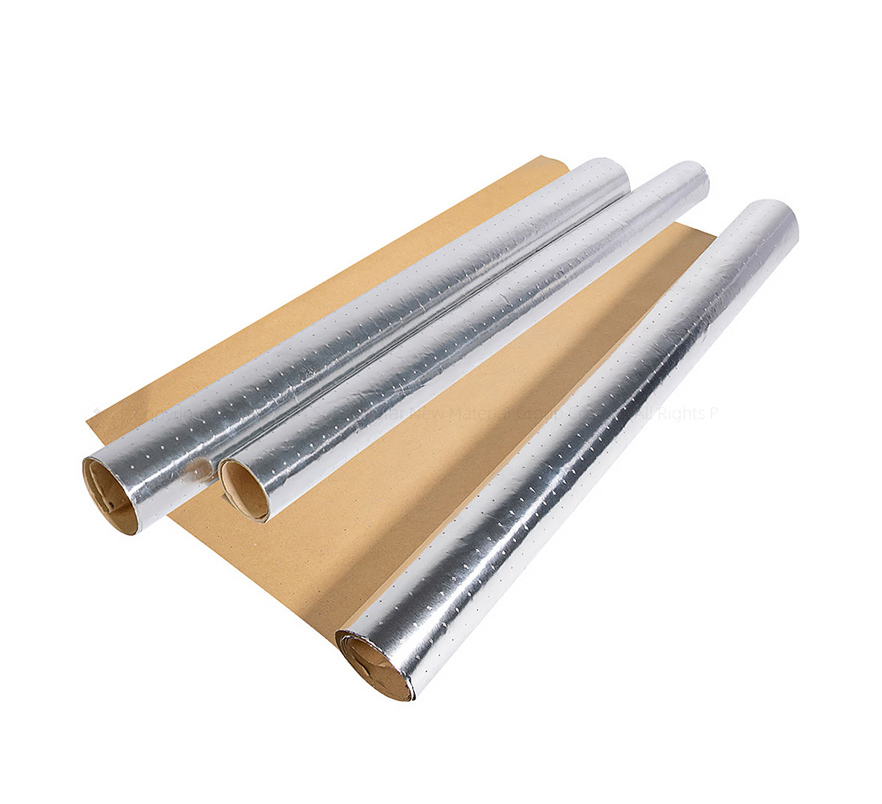
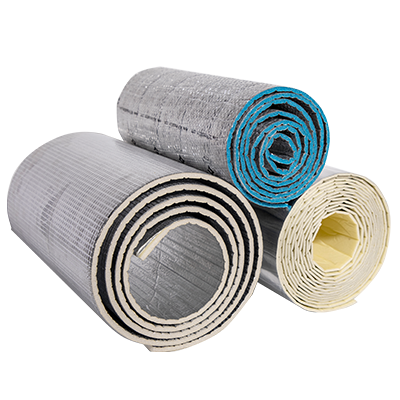
Xingchen aluminum foil liners are produced with aluminum foil composite or aluminized composite materials, formed by three or four laminated layers to achieve reliable wear resistance. The multi-layer design is not a simple stack; each layer performs a distinct function: the outer layer offers wear and tensile resistance, the middle layer delivers barrier performance, and the inner layer enables heat sealing and tight closure. The three-layer composite construction (tensile and heat-resistant outer layer + barrier middle layer + heat-resistant inner layer) preserves strength and sealing performance under high-temperature conditions.
Customized 4-layer, 5-layer and 6-layer composite structures are also available to meet special requirements for enhanced barrier properties, puncture resistance and temperature tolerance. Customers can select suitable lamination configurations according to material specifications with strict barrier indicators.
III. Diverse Material Options
Xingchen supplies a wide range of base materials for heavy-duty packaging to match different product requirements, including moisture resistance, light shielding, corrosion resistance and oxidation resistance. Aluminum foil FIBCs adopt PET/AL/PA/PE or PA/AL/PE multi-layer composite structures. Samples of all incoming raw materials are retained for traceability to stabilize quality at the source. Such material diversity allows the liners to cover needs ranging from standard moisture protection to high-level oxygen barrier.
IV. Production and Inspection Environment
During liner manufacturing, automated equipment in Xingchen’s FIBC workshop carries out precision lamination and bag making. Separate zones for woven outer bags and aluminum foil liners operate independently with advanced machinery and strict quality control. The workshop is fully equipped with central air conditioning, air purification and exhaust systems, delivering stable ambient conditions for lamination and bag forming processes.
Quality inspection covers leakage and pinhole detection, seal integrity, seal strength, compressive strength, bond strength and other parameters, ensuring the liners remain well-sealed under actual service conditions.
V. R&D and Certification Backing
Xingchen prioritizes R&D and innovation as one of its core objectives. It invests 6% of annual turnover in research and continuously develops new products via its technology platform. The group follows stringent process standards and holds a wide range of certifications and intellectual property rights, including ISO9001, SGS, RoHS and REACH, supporting the stability and compliance of its liner products.
Conclusion
From material selection and composite structure design to production environment management and finished goods testing, every stage of aluminum foil liner manufacturing serves one goal: to keep materials stable in quality during long-haul transportation and extended storage.