Seal Performance and Seal Strength of Heavy-Duty Bags: Key Indicators Determining the Safety of Material Storage and Transportation
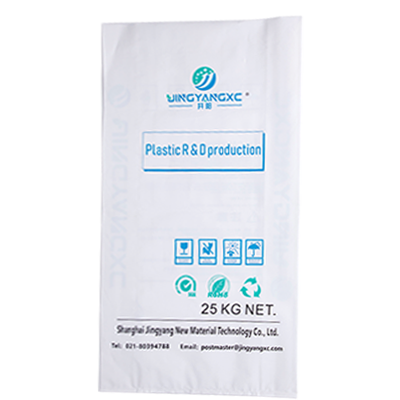
Among various performance indicators of heavy-duty bags, seal strength and sealing performance are often overlooked, yet they exert the most direct impact in practical use. During filling, stacking and transportation of a 25kg raw material bag, the sealing area is subject to continuous tension and extrusion. Insufficient seal strength may lead to opening and leakage, resulting in material loss and environmental pollution. Xingchen Group takes seal-related tests as a core part of its quality control system and has established a complete set of inspection items targeting the sealing performance of heavy-duty bags.
I. Significance of Seal Integrity and Seal Strength Testing
Finished products undergo rigorous quality inspections covering appearance, seal integrity, seal strength, leakage and pinhole detection, compressive strength, puncture resistance, bond strength and more. Full-process quality supervision ensures stable quality. Seal integrity inspection checks for defects such as incomplete fusion, air bubbles or trapped materials in the sealing zone; seal strength testing evaluates the load-bearing capacity of the seal under stress through mechanical tests.
II. Necessity of Leakage and Pinhole Inspection
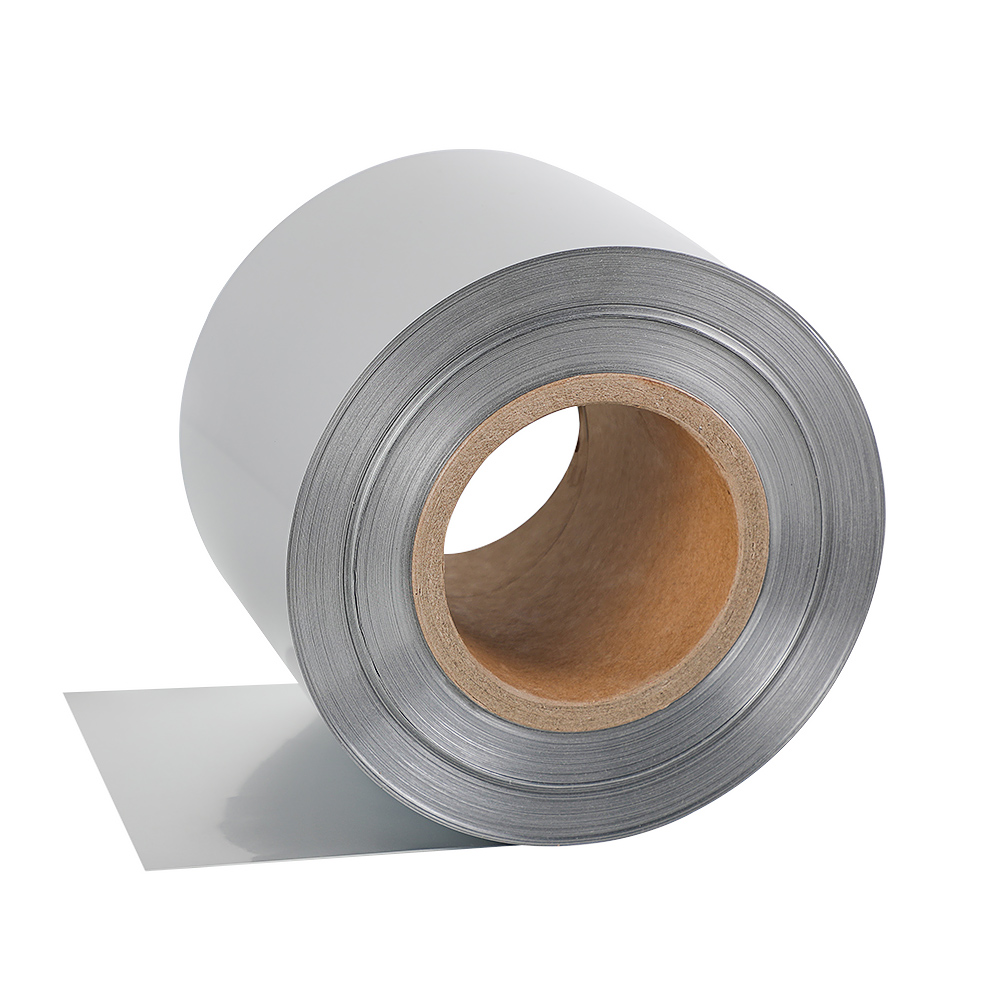
For barrier-type heavy-duty bags, leakage and pinhole inspection directly determines whether the protective performance can be delivered. The aluminum foil layer of aluminum-plastic heavy-duty bags effectively blocks air, water vapor and light to prevent oxidation, moisture absorption and deterioration of contents. However, pinholes in the bag body or sealing leakage will drastically reduce the barrier performance. Therefore, Xingchen conducts special checks for leakage and pinholes during inspection to guarantee every delivered bag maintains its designed barrier level.
III. Bond Strength and Stability of Composite Structures
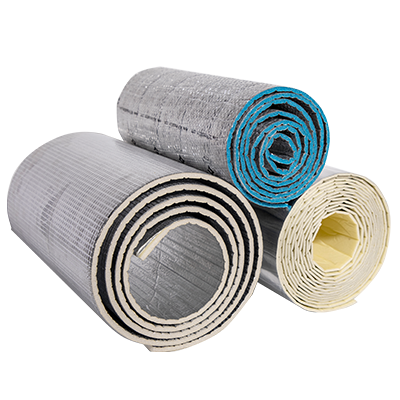
For products with multi-layer composite structures, bond strength is a critical test item to assess the stability of laminated layers. Xingchen aluminum foil heavy-duty bags adopt PET/AL/PA/PE or PA/AL/PE multi-layer composite structures. The adhesion between layers directly affects the structural integrity of products under stress and during storage. The three-layer composite construction (tensile and heat-resistant outer layer + barrier middle layer + heat-resistant inner layer) preserves strength and sealing performance under high-temperature conditions, with custom 4-layer, 5-layer and 6-layer structures available.
IV. Quality Control Philosophy Behind the Inspection System
Xingchen prefers extra working procedures to ensure every aluminum foil heavy-duty bag delivered is a trustworthy product for customers. Not every bag can leave this workshop. This inspection-centered quality control philosophy applies to all Xingchen heavy-duty bag lines. Unified testing standards are implemented for chemical raw materials, new energy materials, aluminum-plastic heavy-duty bags and woven aluminum foil heavy-duty bags alike.
V. Dual Support from Production Capacity and R&D
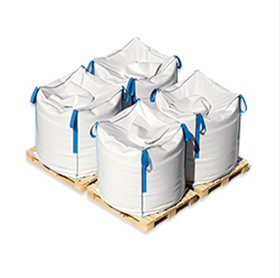
In terms of production capacity, Xingchen’s heavy-duty packaging workshop covers 2,500 square meters and is equipped with 6 production lines, mainly manufacturing aluminum-plastic composite FIBCs and aluminum-plastic composite heavy-duty bags. The monthly output reaches 500,000 FIBCs and 900,000 heavy-duty bags. For R&D, the group invests 6% of annual turnover in research and continuously develops new products via its technology platform to support ongoing optimization of sealing processes and composite structures.
Conclusion
Seal strength and sealing performance form the safety baseline of heavy-duty bags. Drawing on over two decades of experience in custom industrial packaging and a sound quality control system, Xingchen ensures every inspection item safeguards the safety of materials in storage and transit.